One of the Best Places to Bird in America, Right Here in South Texas
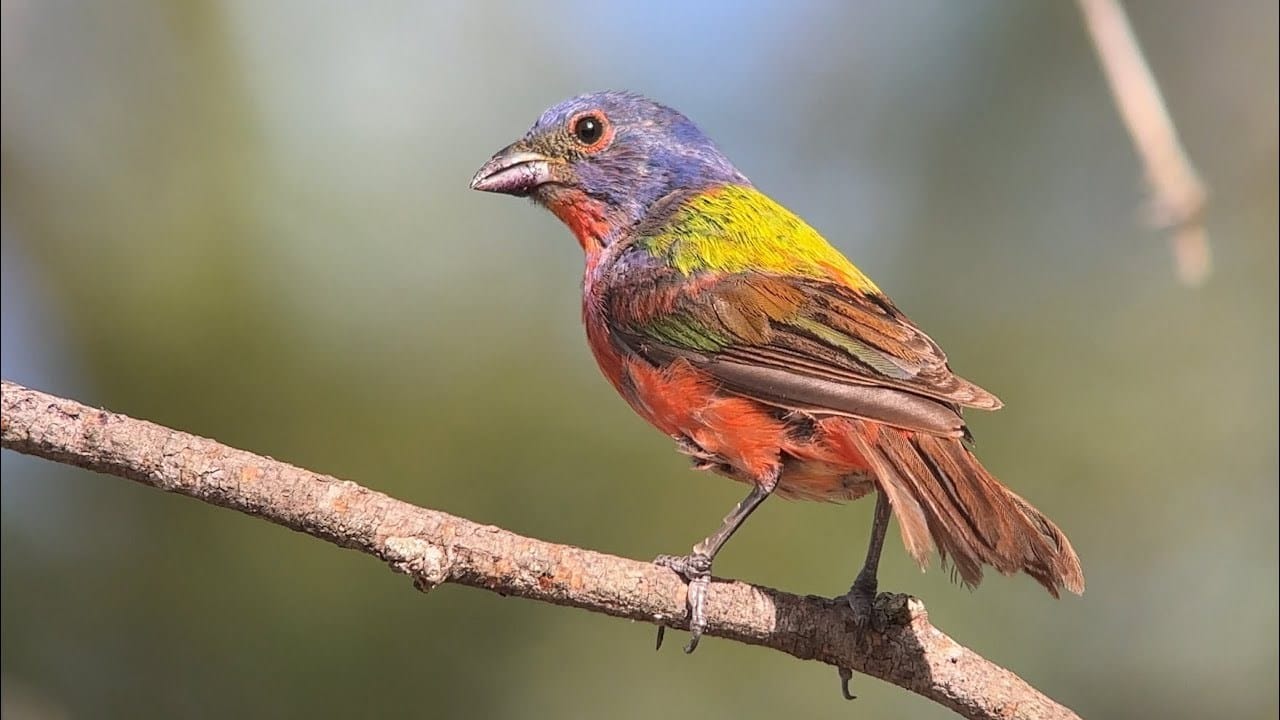
A World-Class Birding Destination
Kingsville sits at one of the most remarkable intersections for birds in the Western Hemisphere. South Texas lies at the convergence of two major migratory flyways, funneling hundreds of millions of birds through the region each spring and fall. Add year-round subtropical habitat, 825,000 acres of protected ranchland, and a roster of species found nowhere else in the United States — and you have a destination that serious birders travel the world to reach.
The Kingsville area is part of the Great Texas Coastal Birding Trail and includes a Globally Important Bird Area designation through the American Bird Conservancy. Whether you're a life-lister chasing South Texas specialties or a casual observer hoping to spot a Green Jay for the first time, Kingsville delivers.
Birding Hotspots on the Kingsville Loop
The Texas Parks & Wildlife Department's Kingsville Loop is an officially designated birding trail connecting the area's top sites. Here's what you'll find at each stop:
-
King Ranch CTC 087
The crown jewel of South Texas birding.
With 825,000 acres of varied habitat — from wetlands to grasslands to subtropical brushland — King Ranch boasts a confirmed bird list of more than 370 species and is designated as a Globally Important Bird Area. Vast tracts of undisturbed habitat support South Texas specialties that are rare or impossible to find anywhere else north of the Mexican border.
South Texas Specialties regularly seen: Ferruginous Pygmy-Owl · Tropical Parula · Audubon's Oriole · Northern Beardless-Tyrannulet · Botteri's Sparrow · Green Jay · White-tailed Hawk · Olive Sparrow · Great Kiskadee · Crested Caracara · Vermilion Flycatcher · Least Grebe
Rare birds recorded on the ranch: Double-striped Thick-knee · Jabiru · Masked Duck · Aplomado Falcon · Eurasian Wigeon · Garganey
Winter residents: Sprague's Pipit · Burrowing Owl · Mountain Plover · Piping Plover
King Ranch offers guided Nature Tours that take birders into otherwise restricted habitat. The Norias Division — the southernmost portion of the ranch — is particularly prized for rare breeding species. Tours run October through March, Wednesday through Saturday.
-
Santa Gertrudis Creek CTC 086
Located along TX 141 west of Kingsville, Santa Gertrudis Creek forms a sizable pool surrounded by trees and brush that draw a rich variety of South Texas species year-round. In an otherwise arid landscape, this lush oasis is a magnet for landbirds during spring migration.
Look for: Great Kiskadee · Couch's Kingbird · Green Jay · Audubon's Oriole · Pyrrhuloxia · White-tailed Kite · Harris's Hawk · Lark Bunting flocks (winter)
-
Santa Gertrudis Creek Bird Sanctuary CTC 089
A marsh sanctuary southeast of Dick Kleberg Park accessed via FM 1717. Walk the levee to survey extensive wetlands hosting a wide variety of water birds.
Look for: Least Grebe · Black-bellied Whistling-Duck · Purple Gallinule (summer) · King Rail · Sora · Virginia Rail · Marsh Wren · Sedge Wren · Great Kiskadee · Green Jay · herons and egrets · Cave Swallows (nesting in summer culverts)
-
Dick Kleberg Park CTC 088
Kingsville's main city park includes a 0.6-mile trail around a 9.1-acre lake, making it an accessible and productive birding site right in town. The park's butterfly and hummingbird gardens also attract a range of species.
Look for: Vermilion Flycatcher (winter) · Black-bellied Whistling-Duck · Golden-fronted Woodpecker · Ladder-backed Woodpecker · Green Jay · Great Kiskadee · Curve-billed Thrasher · Long-billed Thrasher · Cave Swallow (nesting, summer) · Sprague's Pipit (uncommon, short grass fields)
-
Hawk Alley CTC 095
West of Kingsville along TX 285, this stretch of highway has been nicknamed "Hawk Alley" by local birders for good reason. Raptors perch on power poles and soar overhead in remarkable numbers — particularly during migration.
Resident raptors: White-tailed Hawk · Harris's Hawk · Crested Caracara · Red-tailed Hawk
Winter visitors: Ferruginous Hawk · American Kestrel
Migration: Broad-winged Hawk · Swainson's Hawk · Mississippi Kite pass through by the hundreds of thousands in spring and fall.
-
Drum Point CTC 091
On the shores of Baffin Bay southeast of Kingsville via FM 772. During spring and fall migration — particularly April and September — millions of swallows and martins stream along the bluff. The overlook also provides excellent views of coastal water birds.
Look for: Reddish Egret · Brown Pelican · Bufflehead · Lesser Scaup · Wilson's Plover · Least Tern (nesting, summer) · shorebirds in migration
-
Kaufer-Hubert Memorial Park CTC 092
A county park on Baffin Bay near Loyola Beach with wetlands, mudflats, and ponds — a productive stop for shorebirds and waterfowl. Camping and RV hookups are available for overnight birding trips.
Look for: Wilson's Plover · Snowy Plover · Piping Plover (winter) · Stilt Sandpiper · Pectoral Sandpiper · White-rumped Sandpiper · Greater Scaup · Black Scoter · Green Jay · Olive Sparrow
Migration: Why Kingsville Is Special
South Texas lies at the convergence of the Central Flyway and the Mississippi Flyway — two of the greatest migratory pathways in the Western Hemisphere. In spring, neotropical migrants pour north along the Gulf Coast, and Kingsville sits directly in their path. In fall, the same birds return, joined by raptors funneling southward in massive numbers. The result is a birding calendar that offers something exceptional in every season:
-
Spring (March–May)
Peak songbird migration; warblers, tanagers, orioles, and flycatchers move through in waves.
-
Summer
Breeding season for subtropical specialties; Tropical Parula, Ferruginous Pygmy-Owl, Botteri's Sparrow, and Audubon's Oriole actively nesting.
-
Fall (September–November)
Raptor migration peaks; millions of Broad-winged and Swainson's Hawks funnel through Hawk Alley.
-
Winter
Northern visitors join South Texas residents; excellent for sparrows, pipits, plovers, and waterfowl.
The Birdiest Festival in America
Each April the region celebrates spring migration with the Birdiest Festival in America — one of the country's premier birding events, drawing experts and enthusiasts for field trips, workshops, keynotes, and guided tours into exclusive locations including the King Ranch. Past highlights: six full-day field trips, 13 half-day field trips, and a single-day count of 156 species.
Learn more at birdiestfestival.orgPlan Your Birding Trip
Best seasons: Spring migration (March–May) and fall raptor migration (September–November) are peak; winter offers excellent diversity; summer is best for breeding specialties.
King Ranch Nature Tours: October–March, Wed–Sat. Book in advance. 📞 (361) 592-8055 · 📧 visit@king-ranch.com
Kingsville Visitors Center: Stop in for local birding maps, trail information, and the TPWD Kingsville Loop guide. 📍 1501 N. Highway 77 · 📞 (361) 592-8516
More resources: