
Wild South Texas — Up Close
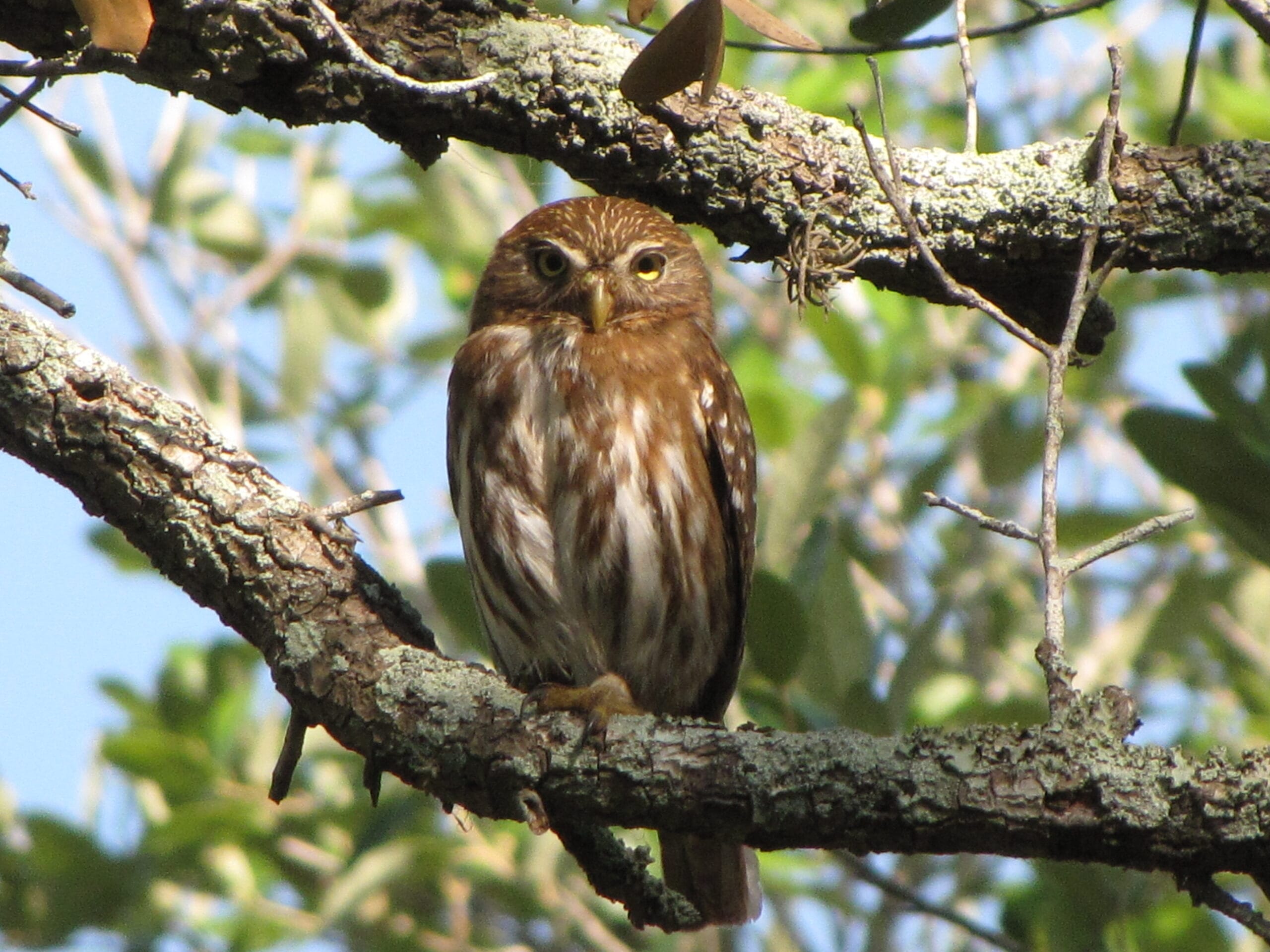
A Region Like Nowhere Else
South Texas is one of the most biologically distinctive regions in North America. The Tamaulipan thornscrub — a subtropical brush country that stretches from South Texas deep into northeastern Mexico — supports a roster of wildlife found nowhere else in the United States: javelina, nilgai antelope, white-tailed deer, wild turkey, Texas tortoise, and, in the most protected corners of the brush, the endangered ocelot. Layer in the Baffin Bay coastline, the migratory flyways, and 825,000 acres of protected ranchland, and Kingsville becomes a genuine destination for anyone who wants to see wild things.
King Ranch Nature Tours
The single best wildlife viewing experience in the Kingsville area — and one of the best in all of Texas.
King Ranch's guided Nature Tours take visitors into otherwise restricted habitat across the ranch's diverse landscape — from coastal wetlands to open grassland to dense subtropical brushland. The variety of terrain means an equally varied wildlife encounter: white-tailed deer, javelina, wild turkey, American alligator, armadillo, and a full complement of South Texas birds are all regularly spotted on tour.
The ranch's 825,000 acres of largely undisturbed habitat support species that have been pushed out of most of the surrounding region. Tours accommodate a maximum of 8 people, making for an intimate experience with an experienced naturalist guide.
Wildlife of the South Texas Brush Country
The landscape around Kingsville is Tamaulipan thornscrub — one of the rarest and most ecologically rich ecosystems in the United States. Dense mesquite, prickly pear, cenizo, and native brush support:
Mammals
- Javelina (Collared Peccary) — South Texas's most iconic mammal. Small herds are a common sight along ranch roads and brushy areas throughout the region.
- White-tailed Deer — Abundant. South Texas is renowned as some of the best white-tailed deer country in North America.
- Nilgai Antelope — A large, non-native antelope introduced to the King Ranch in the 1930s. Nilgai are now established across coastal South Texas and are regularly seen near Baffin Bay and along ranch roads.
- Bobcat — Present throughout the brush country, though most active at dawn and dusk.
- Ocelot — Critically endangered; fewer than 100 survive in the United States, all in South Texas. The King Ranch is one of their last strongholds. Sightings are rare and meaningful.
- Armadillo — Common and often seen roadside, particularly at dawn.
Reptiles
- Texas Tortoise — A slow-moving, iconic resident of the Tamaulipan thornscrub, protected under Texas law.
- Various snakes and lizards — The brush country supports a full array of South Texas reptile species.
Scenic Viewing Spots
Open-access overlooks, drives, and shoreline parks — no reservations required.
-
Drum Point
One of the most dramatic viewpoints in the Kingsville area. A bluff overlooking Cayo del Grullo — a secondary arm of Baffin Bay — Drum Point offers wide open coastal views unlike anything in the interior. The unpaved caliche road continues from the overlook approximately one mile to the shoreline, where herons, egrets, pelicans, and waterfowl congregate year-round. During spring and fall migration, millions of swallows and martins stream along the bluff.
- Getting there: south on US 77 to FM 628, east to Loyola Beach, then north on CR 1132 to the bluff
- No fee or facilities — use caution on the caliche road after rain
-
Hawk Alley
West of Kingsville along TX 285, local birders have long called this stretch "Hawk Alley" — and for good reason. Raptors perch on power poles and soar over open fields in numbers that have to be seen to be believed. Resident White-tailed Hawk, Harris's Hawk, and Crested Caracara are present year-round. During migration, Broad-winged and Swainson's Hawks pass through by the hundreds of thousands. Ferruginous Hawk and American Kestrel are common in winter. This is one of the most accessible wildlife viewing drives in the region — no admission, no trails, just roll the windows down and look up.
-
Santa Gertrudis Creek Bird Sanctuary
A levee walk through coastal marsh southeast of Dick Kleberg Park, accessible via FM 1717. Least Grebe, Black-bellied Whistling-Duck, Purple Gallinule, King Rail, and both Marsh and Sedge Wrens are found here, with herons and egrets present year-round. The surrounding mesquite woodland holds Green Jay, Great Kiskadee, and Olive Sparrow.
-
Kaufer-Hubert Memorial Park
Kleberg County's park on the shores of Baffin Bay offers direct access to the Texas coastal environment — mudflats, ponds, and open bay water that hold shorebirds, waterfowl, and wading birds throughout the year. The fishing pier extends out over the bay, providing elevated views of the water and surrounding wetlands.
Plan Your Visit
Wildlife viewing in South Texas is most rewarding early in the morning and in the hour before sunset — when mammals are active and the light is worth the drive. The King Ranch Nature Tours are the most structured option and require advance reservations; the scenic drives and overlooks are accessible year-round at any time.
For lodging and trip planning, see our Stay page →.
Kingsville Visitors Center
📍 1501 N. Highway 77 · 📞 (361) 592-8516